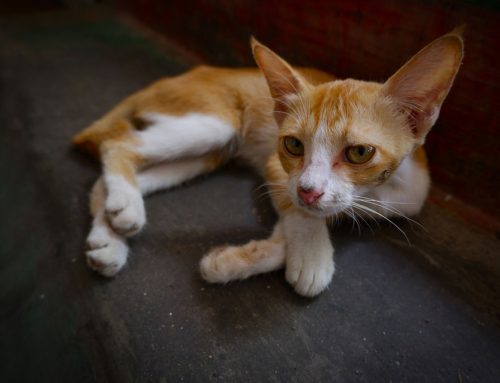

Pancreatitis can turn serious inside a day, so if you are weighing whether to watch your pet another few hours or get in the car, this is a problem that rewards going now. It can take your pet from quiet and off food to seriously dehydrated in that time, and the inflammation spreads, irritating the organs that sit beside the pancreas. Dogs usually make it obvious, hunched over a painful belly and retching. Cats often just withdraw and stop eating, which is why their cases get found late.
Judging how sick your pet is from the outside is not a fair thing to ask of you, and it is the part we can take off your hands. Veterinary Emergency and Specialty Center of Northern Arizona is open in Flagstaff from Friday evening through Monday morning, with bloodwork and imaging on site to start narrowing down what is behind the vomiting and diarrhea, and fluids and pain control to get your pet comfortable while we work. If your dog or cat is retching, hunched, or refusing food, call us and tell us what you are seeing.
What Pancreatitis Does, and How Fast
- Pancreatitis is inflammation of the pancreas, and a mild case can become a true emergency in under a day.
- Dogs usually show it loudly with retching and belly pain, while cats often just stop eating and disappear under the bed.
- Blood work plus an ultrasound of the belly tells us how severe the inflammation is and whether neighboring organs have been dragged in.
- Most pets recover well with IV fluids, pain control, anti-nausea medication, and an early, careful return to low-fat food.
What Is Pancreatitis, and Why Does It Get Serious So Quickly?
Pancreatitis is inflammation of the pancreas, the organ that produces the enzymes used to break down a meal, and the damage begins when those enzymes switch on early and start digesting the pancreas itself instead of the food. That process feeds itself, so a mildly uncomfortable pet can be quite sick by morning.
Acute pancreatitis arrives suddenly in a dog or cat who seemed fine yesterday. The chronic form smolders instead, flaring and settling over months, and enough repeat rounds can scar away the tissue that makes insulin or digestive enzymes, leaving a pet diabetic or unable to absorb a normal meal.
Pancreatitis in cats is a much quieter illness than the canine version, often amounting to a cat who is off their food and sleeping somewhere new. A retching dog gets a car ride to the vet; a cat who naps four extra hours a day usually doesn't, but should.
The pancreas sits right against the liver, the gallbladder, and the first stretch of small intestine, so the inflammation rarely stays in its lane. In severe cases the body's response goes system-wide and organs well beyond the belly start to struggle, which is what getting in early prevents.
What Are the Signs of Pancreatitis in Dogs and Cats?
Repeated vomiting is usually the first thing you notice, and vomiting paired with a sudden refusal to eat is a reason for an exam rather than a wait-and-see night. Belly discomfort, loose stool, fever, and a pet who simply isn't themselves fill out the picture in both species.
Dogs in abdominal pain often fold into the prayer position, chest and elbows on the floor with the hind end up, because stretching the belly open is the only posture that brings any relief. You might also see a dog who can't settle, paces at two in the morning, or tightens up when you scoop them under the ribs.
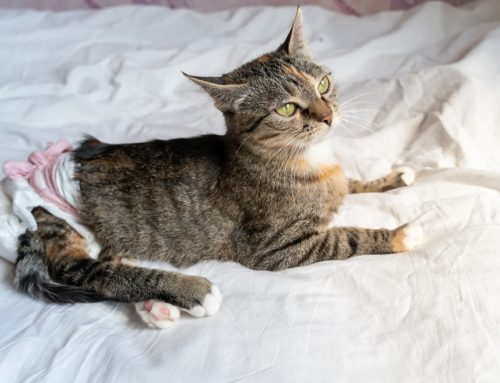
In cats, lethargy may be the whole presentation, a cat who skips the evening routine, tucks under the bed, and stops grooming, with no vomiting for anyone to find. So the bar is lower for them: any real change in a cat's routine that lasts more than a day is worth a phone call.
None of these signs are exclusive to the pancreas. Dietary indiscretion, a swallowed toy, parasites, kidney disease, and liver trouble all cause sudden vomiting and diarrhea too, and sorting one from another is what an exam and a few tests are for.
When Is Pancreatitis an Emergency?
Mild cases are sometimes managed as outpatients with medication and a bland, low-fat diet. Pancreatitis that comes with relentless vomiting, visible pain, or fluid loss is a different problem entirely. If your pet can't keep water down, hasn't eaten in a full day, or is hard to rouse, that version belongs in a hospital tonight.
Tacky or dry gums, skin that stays tented when you lift it at the shoulders, and eyes that look sunken are signs of dehydration that mean fluid losses are already ahead of what a pet can drink back. They're easy to check at home before you decide to wait.
| What you're seeing at home | Why it can't wait |
| Vomiting that keeps going past a few episodes | Fluids and electrolytes leave faster than a sick pet can replace them |
| Nothing eaten or drunk in 24 hours | Cats risk a serious liver complication, and every pet loses ground quickly |
| Hunching, panting, pacing, or crying when picked up | Pain this visible usually reflects significant inflammation |
| Hard to wake, wobbly, or collapsing | Suggests the response has gone beyond the belly |
| Old signs returning in a pet with a pancreatitis history | Repeat flares tend to escalate faster than the first one did |
Delay has a real cost. Dehydration tips toward shock, damaged pancreatic tissue can seed infection, and severe inflammation pulls in the kidneys, liver, and clotting system. One thing not to do while you're deciding: stay out of your own medicine cabinet. Ibuprofen, naproxen, and acetaminophen poison dogs and cats outright and will push an inflamed pancreas further. Over-the-counter stomach remedies belong on the shelf too, since several carry salicylates cats cannot clear.
What Triggers Pancreatitis in Dogs and Cats?
Most canine episodes trace back to a fatty meal nobody meant to serve, but weight, breed, medications, and existing hormonal disease all stack the deck before that meal ever happens. In cats the trigger is frequently invisible, with no food event at all.
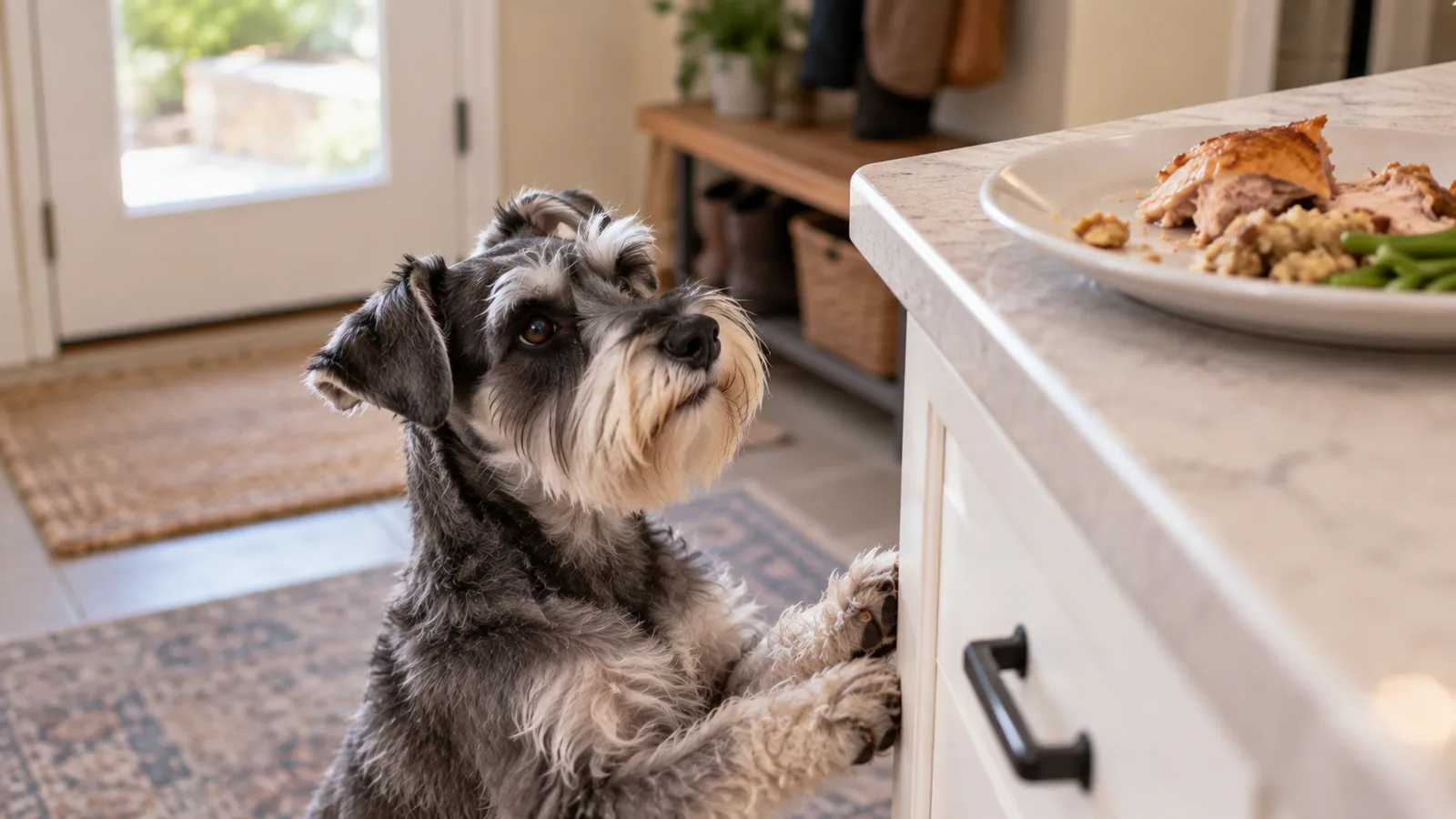
- Rich foods and sudden diet changes: fatty trimmings, rib bones, buttered corn, and anything wrapped in bacon put barbecue foods near the top of the trigger list every summer in Flagstaff, and December does the same thing indoors. Ten guests each slipping the dog one small piece adds up to a meal no pancreas was built for. Feed your pet a regular meal before guests arrive, put the trash behind a door that latches, say the no-scraps rule out loud, and switch foods gradually over several days rather than overnight.
- Breed and body type: Miniature Schnauzers sit at the top of the list for breed-linked pancreatitis risk because they tend to run high blood triglyceride levels, with Yorkshire Terriers, Cocker Spaniels, and several other small breeds not far behind. That said, a Labrador who raids the camp cooler is just as capable of landing here, and feline cases spread too broadly across breeds to predict anything from a pedigree.
- Weight and hormonal disease: extra body weight keeps a pet in a low-grade inflammatory state, so pet obesity both raises the odds of a first episode and stretches out the recovery from one. Diabetes, Cushing's disease, and hypothyroidism all change how fat moves through the bloodstream, and in cats, inflammatory bowel disease overlaps with pancreatic inflammation often enough that finding one means looking hard for the other.
- Medications and exposures: some seizure drugs, certain diuretics, and a range of household toxins, plants, and cleaning chemicals round out the list. Bring the bottles, or a photo of the labels, when you come in; the full medication and supplement history explains plenty of cases that otherwise look random.
What Does a Pancreatitis Workup Look Like?
The workup starts with pain relief and a quick assessment, not paperwork. After that comes a hands-on exam, blood work that includes a pancreas-specific marker, and imaging of the belly. Labs and imaging both run on site here, so the picture comes together during one visit.
Once your pet is comfortable, we go through the history: what changed in the last 48 hours, what got eaten, what's in the medicine cabinet, whether this has happened before. Blood work then does two jobs. The pancreatic marker tells us whether that organ is inflamed, while the full panel and urine check liver values, kidney function, blood sugar, and electrolytes, because several other illnesses look identical from the doorway.
Abdominal ultrasound gives a live look at the pancreas: how swollen it is, whether fluid has collected around it, and whether the gallbladder, liver, or nearby intestines have been drawn in.
Imaging also rules things out. X-rays and, when a case calls for it, a CT scan help us separate pancreatic inflammation from the other acute-abdomen emergencies that arrive looking the same, including a swallowed foreign object, a mass, or the twisted stomach of bloat. We can also run cytology on fluid we find.
How Do You Treat Pancreatitis in a Dog or Cat?
Treatment for a dog or cat with pancreatitis supports the body while the inflammation settles: IV fluids, pain control, anti-nausea medication, stomach protection, and a careful return to eating. Dogs with acute pancreatitis have a drug option too: Panoquell-CA1 (fuzapladib), given alongside that supportive care. Most pets turn a corner in the first day or two, and milder cases sometimes head home after about a day, while severe ones need several.
Fluids do the heaviest lifting. They replace what the vomiting took and keep blood moving through an organ short on circulation, which matters because severe cases can slide toward shock. Hospitalized pets stay monitored here across the weekend, with pain medication and fluid rates adjusted as numbers change. Comfort is treatment: a pet who isn't hurting rests, holds fluids down, and eats sooner.
Why Getting Your Pet Eating Again Counts as Treatment
Food comes back sooner than most families expect, in small, low-fat, highly digestible portions offered a few times a day and built up as tolerance improves. A cat who goes even a couple of days without eating can develop hepatic lipidosis, a liver crisis where fat floods an organ that cannot keep up.
When appetite doesn't return on its own, appetite stimulants often help, and some cats need a temporary feeding tube until interest comes back. Pets tolerate them well, and families manage them at home after a short demonstration. Before discharge, we'll go over amounts, timing, and what tolerating a meal should look like.
What Is Triaditis, and Why Do Cats Get It?
Triaditis is inflammation of the pancreas, liver, and small intestine all at once, a pattern that turns up in cats because those three organs share duct anatomy close enough that trouble in one tends to pull in the others. It explains why some cats stall out when only the pancreas gets attention.
The presentation is frustratingly vague: a cat who's dropped weight, eats less than they used to, vomits now and then, and has been slightly off for weeks. Diagnosis means blood work covering liver values and B12 alongside the pancreatic marker, plus ultrasound to look at all three organs in one sitting. Treatment has to cover all three as well, which usually means fluids and pain control plus liver and gut support, over a longer arc than a straightforward case.
This is rarely finished when your cat leaves us on Monday morning. Our emergency clinicians send records, lab results, and imaging to your family veterinarian so the next recheck starts where the weekend left off.
What Does Home Care Look Like After Pancreatitis?
Home care comes down to two jobs: keeping fat out of the diet so the pancreas isn't asked to work hard, and watching closely for about two weeks in case the inflammation isn't finished. Most recurrences trace back to a diet slip.
Preventing the Next Episode
- The diet is the whole game: a veterinarian-recommended low-fat, highly digestible food, fed as the only food in the house.
- Measure instead of eyeballing: a scoop filled generously twice a day adds up faster than anyone expects.
- Keep treats simple: a few pieces of the prescribed kibble, or a low-fat option we've approved, works fine as a reward.
- Table scraps stay off the menu: that includes the plate-licking, the bacon grease, and the well-meaning grandparent.
- Hold mealtimes steady: a predictable schedule makes digestion more predictable.
- Support a healthy weight: portion control plus regular gentle walks does more for the pancreas than any supplement.
The First Two Weeks at Home
Daily observation catches a relapse earlier than any scheduled visit can.
| Watch this | Good progress | Call us |
| Appetite | Taking small meals willingly within a day or two | Refusing food for a full day, cats especially |
| Energy and posture | Drifting back toward the usual routine | Hunching, hiding, or restlessness overnight |
| Vomiting | Settles and stays settled after discharge | Returns, or won't stop |
Water intake deserves the same attention, and so does what comes out the other end. Changes in urination during recovery can point toward dehydration or toward a diabetic complication, and both are worth a call rather than a wait. Follow through on the recheck blood work, and on a repeat ultrasound if we recommended one, since improving numbers are how we confirm the inflammation has truly resolved instead of quietly simmering. Your family veterinarian can often handle those rechecks.
What Flagstaff Pet Families Ask Us About Pancreatitis
Can one fatty meal really cause pancreatitis, or does it take a habit?
One meal can absolutely do it, and that's the version we see most on holiday weekends. A dog who eats a normal diet all year and then gets half a plate of brisket can be sick by the next morning. Some pets seem to tolerate the same mistake with only a day of loose stool, which is mostly luck, genetics, and how much fat came with it. The safest assumption is that your pet is one of the sensitive ones.
Will my pet get pancreatitis again?
Many pets have a single episode and never repeat it, especially when the trigger was a one-time dietary event that the household then locks down. Pets with an underlying reason, such as high triglycerides, diabetes, or feline inflammatory bowel disease, carry a higher chance of another flare, and those cases benefit from ongoing management with your family veterinarian.
Does pancreatitis mean my pet will end up diabetic?
Most pets who get through one episode never become diabetic, and a single bout rarely leaves lasting damage. The risk sits with inflammation that returns or never quite settles, because each round destroys more insulin-producing cells until a pet needs insulin for life. Think of a cat who flares every winter: that's the patient whose blood sugar we watch, and why we ask for recheck blood work.
Getting Ahead of a Pancreatitis Episode
Pancreatitis is frightening to sit with and very treatable when it's caught early. Waiting is what turns a short hospital stay into a complicated one, so if your dog is hunched and retching, or your cat has quietly stopped eating and gone somewhere dark, trust the instinct that told you something was off.
Veterinary Emergency and Specialty Center of Northern Arizona is open in Flagstaff from Friday evening through Monday morning, and you're welcome to reach out any time we're open to talk through what you're seeing before you load up the car.