
Telling whether your pet is in pain can be harder than it sounds, and the answer almost always comes from a pattern in behavior rather than one dramatic moment. Hiding discomfort is instinct for dogs and cats, so the signs stay small: stiffness that lasts for days, a windowsill they stop jumping to, half-eaten meals, restless nights, licking at one spot, or a flinch when you touch a place that never bothered them before. Pain left alone spreads into everything else, dulling your pet's appetite and shortening their patience, while whatever is causing it keeps getting worse. Changes that hold for more than a day or two are worth a real exam.
Pain has a cause, and an emergency exam is built to find it, with a hands-on assessment, bloodwork, and digital X-rays. Veterinary Emergency and Specialty Center of Northern Arizona is open in Flagstaff from Friday at 5pm through Monday at 8am, and our team will keep your pet comfortable while we work out the cause and explain what we find. If your pet is hurting, call ahead and come in.
What Hidden Pain Looks Like at Home
- Dogs and cats instinctively mask discomfort, so the earliest clues are small shifts in habit rather than crying or limping.
- A change that holds for more than a day or two, or one that keeps building, is the signal worth acting on.
- Arthritis, dental disease, and ear infections drive most of the long-term hurting we see, and all three are treatable once they're found.
- Sudden severe pain, collapse, or the loss of an ability your pet had yesterday belongs in front of a veterinarian right away.
Why Do Dogs and Cats Hide Pain So Well?
Hiding pain is old wiring. An animal who looks injured becomes a target, so dogs and cats evolved to carry discomfort quietly and keep going. It isn't bravery, it's a survival script, and it's why families so often find out late.
Pain isn't only a physical problem. A dog who hurts sleeps poorly, eats less, and has a shorter fuse with the kids and the other pets in the house. Cats simply withdraw. Left alone for weeks, that low-grade ache changes how the nervous system handles signals, so what started in one joint gets harder to control everywhere.
Most discomfort traces back to a short list of conditions that cause pain, with arthritis, dental disease, and ear infections sitting at the top of it. None of them announces itself from across the living room, which is why the veterinarians on duty go looking for them on purpose.
What Are the Signs Your Pet Is in Pain?
Pain in pets usually shows up as a change in routine rather than a yelp: reluctance to jump, extra sleep, a quieter greeting at the door, flinching from a favorite scratch spot, panting at rest, half-finished meals, or grooming that stops altogether. Persistence is what matters most, since small changes that hold for days deserve an exam.
Do Dogs and Cats Show Pain Differently?
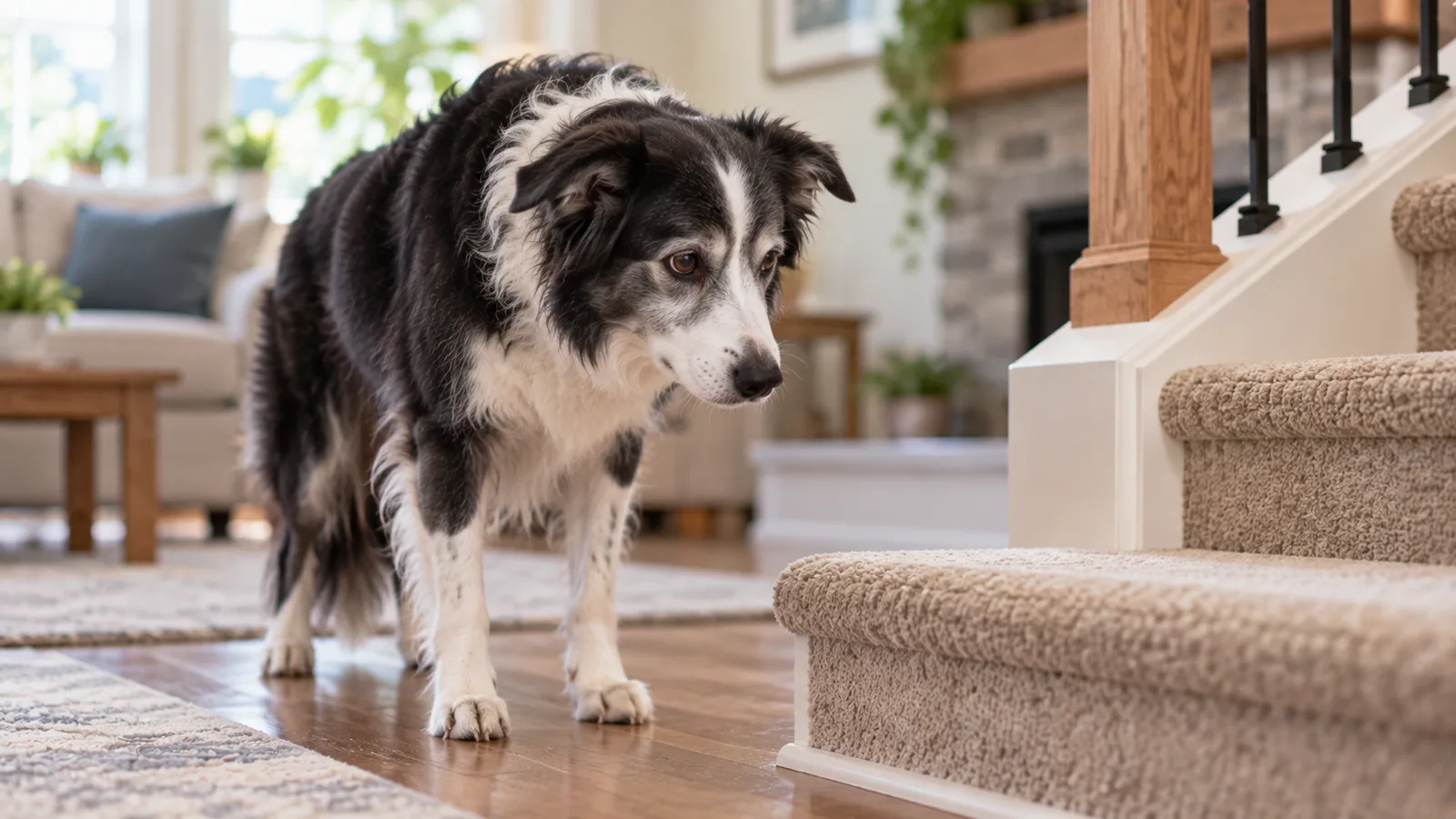
Both species hide it, but they hide it in different places. A dog's discomfort tends to surface in movement and mood: a slower rise from the floor, stiffness after a nap, a shorter temper with the household. A cat's surfaces in what disappears: the grooming, the jumping, the arrival at the food bowl. For either species, a pain checklist is a simple way to keep track of what you're seeing at home. Jotting down which signs showed up and when gives us a clearer picture than trying to remember it all in the moment.
| What to watch | In dogs | In cats |
| Movement | Slow to rise, stiff after rest, hesitates at stairs or the car | Stops jumping to counters and windowsills, picks lower resting spots |
| Posture | Hunched back, tucked tail, lip licking, panting at rest | Sits with feet tucked and shoulders up, sleeps facing the wall |
| Daily habits | Eats slower or walks away from food, restless at night | Grooming drops off or fixes on one spot, accidents outside the box |
| Mood | Irritable with people or other pets, clingy or withdrawn | Hides, skips laps, swats when touched in one area |
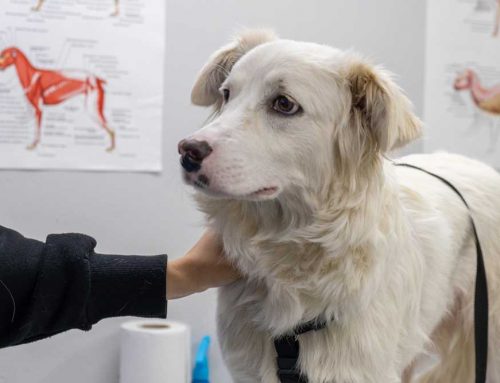
A dog holds it together in an exam room, so chronic pain assessment leans on what happens at home: how he rises from the floor, takes the stairs, and settles at night over weeks rather than minutes.
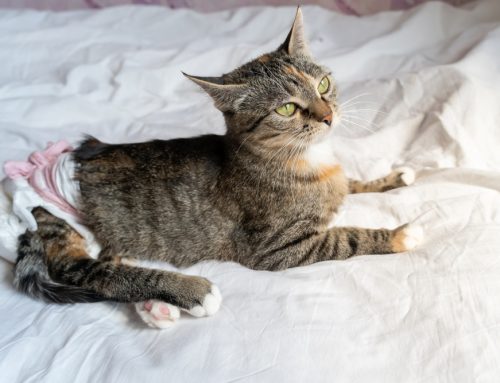
Cats are professionals at hiding their symptoms. The Feline Grimace Scale reads pain in a cat's face, scoring ear position, eye squinting, muzzle tension, whisker change, and head carriage. It takes a minute to learn but provides real insight into what’s actually happening in their bodies.
What Causes Pain in Dogs and Cats?
Most pain comes from a handful of common problems rather than something exotic, and they cluster in the joints, the mouth, the ears, the belly, and anywhere an injury has been. Sorting out which one is doing it takes a hands-on exam and often imaging or lab work, because several of them look identical from across the room.
Joint and Spine Pain
Osteoarthritis is the most common source of long-term pain in dogs and cats, and it builds so slowly that most families only notice the stiffness after months of small changes. Pain from joint diseases, like hip dysplasia or cruciate ligament tears, can sometimes show up as sitting with a leg cocked out sideways or walking with a different gait rather than the obvious limp that pet families expect. Pain from spinal diseases like intervertebral disc disease in long-backed dogs can appear first as hesitation to jump on the couch before it progresses to paralysis over a matter of hours, so moving quickly when you do notice a change can be the difference between rest and anti-inflammatory medications or emergency surgery.
Belly Pain
Belly pain fools people because the posture reads as tiredness. A pet who hunches, stretches into a bow, and turns down dinner alongside vomiting and diarrhea may have pancreatitis, which hurts a great deal and improves with fluids, anti-nausea medication, and real pain control. Gastrointestinal pain can also point to foreign body blockages, intussusception of the bowel, GDV (bloat), and other emergencies.
Urinary Tract Pain
The urinary tract causes belly pain too. Stones and urinary tract infections are both painful. A male cat straining in the litter box with little or nothing coming out may have a urinary blockage, one of the most painful and dangerous emergencies we see, and it can turn life-threatening within a day or two. Bladder pain can sometimes first appear as overgrooming of the lower belly or more frequent urination, so those subtle signs are worth paying attention to.
Mouth, Eye, and Ear Pain
Pain in the head is easy to miss, because most pets keep eating until they simply can't. Mouth pain in dogs shows up as dropping food, chewing on one side, drooling, or pawing at the face, and cats in mouth pain often sit over the bowl without eating. A fractured tooth, a tooth root abscess, or a stick wedged across the roof of the mouth after a game of fetch can all bring a pet in on a weekend.
Eye pain looks like squinting, tearing, holding the eye shut, rubbing it against furniture, or turning away from light. Scratches on the surface of the eye, deep ulcers, and glaucoma can threaten vision quickly, so we treat eye injuries as urgent rather than something to watch over the weekend. Ear pain usually shows as head shaking, scratching, a head tilt, or a pet who pulls away when you reach for their head.
Injuries and Bite Wounds
Injuries are one of the most common reasons pets come to us in pain: a fall from a deck, a run-in with a car, a scuffle with another dog. When a pet has a traumatic encounter, the adrenaline and cortisol released during the event block pain signals, so they may seem fine at first and become progressively more painful as time goes on. Bite wounds are especially deceptive. A few small punctures on the surface can hide crushed and torn tissue underneath, and the bacteria pushed in with the teeth often turn into a hot, swollen abscess a day or two later, especially in cats.
Our team pairs a standardized pain score with what we feel on the table and what you describe from home, then matches the workup to it, from X-rays and bloodwork to our CT scanner when the source of pain isn't clear.
How Do Veterinarians Treat Pain in Pets?
Treatment starts with the diagnosis, because the right plan for a torn ligament looks nothing like the right plan for an infected ear. From there it gets built around your pet's age, other health problems, and daily life, and good plans usually stack two or three approaches instead of leaning on one.
Pain Control in the Emergency Room
When a pet arrives hurting, relief comes first, often before the full workup is finished, because a comfortable pet is safer to examine and easier to diagnose. Pain management in the emergency setting usually relies on injectable medications given through an IV catheter, sometimes as a continuous drip, along with local anesthetic nerve blocks for injuries and procedures.
Pain medications for pets fall into a few working classes, from anti-inflammatories and opioids to local anesthetics and nerve-pain drugs like gabapentin, and combining them at lower doses often controls pain better than leaning on any single one. A pet in severe pain may need to stay with us for injectable medication and fluids while the workup runs, and we recheck pain scores throughout the stay so the plan keeps up with how your pet is feeling.
Going Home With a Pain Plan
Most pets go home with oral medication and clear instructions on how much activity is safe. Anti-inflammatory pain medications are often part of that plan, and since they put demand on the kidneys, liver, and stomach, a panel of bloodwork is an important part of their treatment. Vomiting, diarrhea, black or tarry stool, a drop in appetite, or a big increase in thirst are signs to stop the medication and call.
What Can I Do At Home if My Pet is in Pain?
If you suspect your pet is in pain, the first thing to do is to separate them from other pets or kids, and limit their movement. A quick home exam tells you how quickly your pet should be seen. Be careful, because even the sweetest pet will bite when painful. A towel draped loosely over their head or an e-collar (cone) can help protect you; don’t muzzle your pet if they are having trouble breathing or are panicking.
- Gum color: Normal is pink and moist. Any other color, or dry and tacky gums, deserves a prompt exam.
- Respiratory rate: Count breaths for 30 seconds while your pet is resting and double it. Most resting dogs and cats take fewer than 30 breaths a minute. Fast breathing, panting in a cool room, or open-mouth breathing in a cat means come in now.
- Movement: Watch whether your pet can stand, bear weight on all four legs, and walk without wobbling or dragging a paw. Don't force a painful pet to walk to test it.
- Responsiveness: A pet in pain may be quiet but should still lift their head and respond to their name. A pet who seems dull, confused, or hard to rouse needs to be seen right away.
- Other symptoms: Note any vomiting, retching, a swollen belly, straining to urinate, bleeding, swelling, or a wound, and when each started.
Panting in a dog who isn't hot or tired often points to pain, while open-mouth breathing in a cat, pale or bluish gums, or hard belly effort with every breath signals respiratory distress, which needs care right now rather than in the morning.
Transporting Your Pet
Getting a painful pet to us safely matters as much as getting here quickly. A few steps help:
- Call ahead so our team knows what's coming and can be ready the moment you arrive.
- Use a carrier for cats and small dogs, lined with a towel. Removing the top half of the carrier lets you lift a painful pet in and out without pulling on them.
- Make a stretcher for larger dogs from a sturdy board or a blanket held taut by two people, especially if a back or neck injury is possible, and keep the spine as level as you can.
- Support injured legs without splinting them. A homemade splint can shift a broken bone, so let your pet hold the leg in the position that's most comfortable.
- Bring a second person if you can, so one of you can drive while the other keeps your pet calm and still.
- Bring medications and packaging for anything your pet takes or may have gotten into.
What Not to Do
There are a few things not to do if you’re worried. Skip your own medicine cabinet, don’t let them play or jump, don’t give them a big meal, and don’t try to move painful parts of their body.
Never give your pet human pain medication. Common human pain relievers like ibuprofen and naproxen cause ulcers and kidney failure in dogs, a single acetaminophen tablet can kill a cat, and aspirin complicates the drugs we would otherwise reach for. Never share one pet's prescription with another, either, since a dose sized for a dog can poison a cat. If your pet is hurting at home and nothing has been prescribed, call before you give anything at all.
When Is Pet Pain an Emergency?
Some pain can wait for Monday and some can't. The dividing line is usually how fast it arrived and how much it takes away: a sudden loss of function, or hurting that nothing settles, means now rather than tomorrow. Severe pain is also a symptom, and whatever sits behind it is often the bigger emergency.
- Can't stand, walk, or use the back legs: sudden weakness, dragging, or knuckling can mean a spinal disc, a clot, or a break, and the window to help is narrow.
- Crying, pacing, or panting that nothing quiets: uncontrolled pain is an emergency in its own right.
- Refusing food and water, or refusing to move at all: a pet who won't get up for anything has usually crossed a line.
- A fall, a car, a fight, or other trauma: blunt trauma hides internal bleeding behind a pet who looks stunned but stable.
- Collapse, pale gums, cold paws, fast breathing: these point toward shock, which deepens quietly while everyone waits.
- A limb held at an odd angle: a suspected fracture needs stabilizing and imaging, not a wait-and-see night.
- An eye squinted shut, cloudy, bulging, or bleeding: some eye injuries can cost a pet their vision within hours.
- A bite from another animal or a snake: bite wounds do more damage under the skin than they show on top, and rattlesnake bites need treatment right away.
- Straining to urinate with little or nothing coming out: a urinary blockage, especially in a male cat, is intensely painful and can become fatal quickly.
We cover the weekend, Friday at 5pm straight through to Monday at 8am. If something happens midweek, start with your regular veterinarian, and if they're closed, head to the nearest open emergency hospital.
What Flagstaff Pet Families Ask Us About Pain
Doesn't purring or a wagging tail mean my pet feels fine?
Cats purr when they're content and also when they're frightened or hurting, because purring is partly self-soothing. Plenty of cats purr through an exam that finds a painful abdomen. Tail wagging in dogs signals arousal of all kinds, including anxiety, so a low, fast wag next to a hunched posture is not reassurance. Read the whole animal: posture, appetite, sleep, and willingness to move say far more than one friendly signal does.
My dog is just getting older. Isn't slowing down normal?
Age is not a diagnosis, and stiffness is not something a dog simply grows into. What gets called slowing down is most often arthritis or dental disease, and both respond well to treatment. A senior dog who struggles to rise, skips the couch he used to claim, or snaps when touched over the hips is telling you something specific. Treat the pain and many of those dogs get several good years back.
Do puppies and kittens hide pain the same way?
Young animals hide it too, just less skillfully than adults. A painful puppy or kitten usually goes quiet and stops playing, which families sometimes read as finally settling down. Watch for yelping when picked up, a limp after a jump off the furniture, reluctance to eat, or a kitten who stops using the box. Growth plates are vulnerable, so a limping puppy needs an exam rather than a few days of rest.
Getting Your Pet Out of Pain
Pain isn't a normal part of growing older, and it isn't something your dog or cat has to live with. Most of what causes it is treatable, and pets come back further than their families expect once the hurting stops. Veterinary Emergency and Specialty Center of Northern Arizona is open through the weekend here in Flagstaff, so if something changed and it worries you, reach out and let's find out what's behind it.